Black Mamba: A Designer’s Review for Real Embroidery Projects
When I first pulled up the Black Mamba design on my screen, I wasn’t just looking at a graphic; I was visualizing the needle hitting the fabric. As an experienced designer and embroidery product reviewer, I know that a pretty preview image doesn’t always translate to a clean finished product. However, this particular piece caught my eye immediately. It belongs to the Reptiles category, a niche that demands precision because scales and curves can easily turn into a messy blob if the digitizing isn’t sharp. Here is my honest assessment of how this machine embroidery design holds up in real-world applications, from small shop merchandise to high-end custom apparel.
First Impressions: Mood and Visual Personality
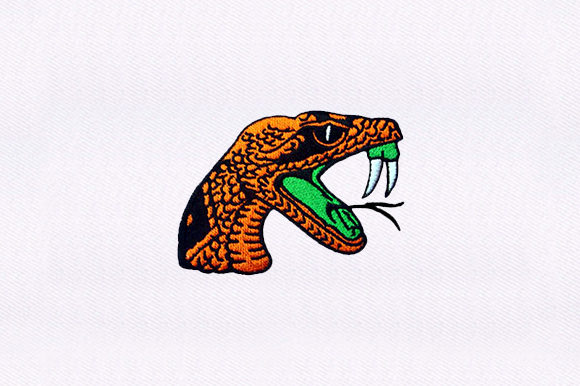
The immediate vibe of Black Mamba is sleek, dangerous, and undeniably cool. It carries a modern edge that feels right at home in contemporary streetwear or edgy home decor. The layout suggests a strong focal point, likely utilizing a mix of satin stitch for the smooth, glossy look of the snake’s skin and potentially fill stitch for broader body sections to maintain texture without excessive bulk. For a designer, this balance is crucial. If the digitizer relied too heavily on dense satin columns, the design would pull and pucker. If they used only running stitches, it would lack the visual weight needed for a statement piece.
I appreciate that the design doesn’t feel cluttered. In Embroidery, less is often more, especially with organic shapes like snakes. The silhouette appears distinct, which means it will remain recognizable even from a distance. This clarity is vital for anyone creating design assets for brands that need instant recognition. Whether you are aiming for a mystical aesthetic or a bold, graphic look, this design provides a solid foundation.
Real-World Application: Where This Design Shines
I recently considered using a similar reptile motif for a client’s custom tote bag line, and Black Mamba fits that brief perfectly. Imagine this stitched onto a heavy canvas tote bag design. The contrast of the dark, intricate snake against natural cotton or denim creates a striking visual. Because the design likely has defined edges, it works exceptionally well for embroidered patch creation. You could stitch it out on twill, cut it out, and apply it to jackets or backpacks, giving your handmade product a professional, boutique finish.
For Etsy sellers and craft business owners, versatility is key. This design transitions smoothly between categories. It is bold enough for sweatshirt embroidery, where it can sit prominently on the chest or back, yet detailed enough to serve as a unique accent on a pillow cover. I can also see it working beautifully in holiday embroidery projects for clients who prefer alternative or gothic themes over traditional festive motifs. The key here is context. Placing this on a minimalist linen apron elevates the item from a kitchen utility to a fashion statement.
Considerations for Custom Apparel and Baby Items
While the design is versatile, I would exercise caution when applying it to baby embroidery projects. The theme of a Black Mamba, while artistically cool, might not align with the soft, gentle aesthetic most parents seek for nursery decor or infant clothing. However, for older children’s apparel or teen-focused custom apparel, it is a hit. If you do use it on younger demographics, ensure the placement is subtle, perhaps on the sleeve cuff or hem, rather than a large central chest piece.
When working with stretchy fabrics like jersey knits for t-shirts, the integrity of the design depends heavily on your setup. The curves of the snake must flow with the fabric grain. If the stitch density is too high for a thin knit, the garment will warp. I always recommend testing on scrap fabric first. This allows you to adjust your tension and see if the thread colors pop against the specific fabric hue you have chosen.
Technical Performance and Stitching Clarity
The success of any digital embroidery file lies in its technical execution. With Black Mamba, I look closely at how the transitions between color blocks are handled. Are there excessive jump stitches that will need trimming? Is the underlay sufficient to prevent the fabric from showing through? A high-quality design should minimize post-production work. If you are running a small shop product line, time spent trimming threads is time lost from profit margins.
I advise checking the hoop size requirements before purchasing. Does this design fit within a standard 4x4 hoop, or does it require a 5x7 or larger frame? This determines which machines can run it and what products it can be applied to. For instance, if you want to place it on a cap, you need to ensure the design fits the curved front panel without distorting. Curved surfaces are tricky; a design that looks flat on screen might twist when stitched on a structured hat. Always use a proper stabilizer—cut-away for knits and tear-away for wovens—to support the stitch structure.
Fabric Texture and Color Contrast
The interaction between thread and fabric texture can make or break the final look. On smooth fabrics like polyester or satin, the sheen of the thread will enhance the "slick" nature of the snake. On textured fabrics like towel material or rough linen, some finer details might get lost. I recommend doing a test stitch on both light and dark backgrounds. While the name implies a dark subject, the outline and highlights might rely on specific thread colors to define the shape. If you stitch black-on-black, you lose definition. Consider using a contrasting border or a lighter shade for the eyes and scales to ensure the design reads clearly.
Commercial Viability and Brand Consistency
For commercial embroidery professionals, consistency is everything. You need to know that the tenth item looks as good as the first. Black Mamba appears to have the structural integrity to withstand repeated stitching, provided your machine is well-maintained. This reliability builds customer trust. When buyers see a crisp, clean image in your printable mockup or online listing, they expect that quality in person. Delivering a sloppy stitch-out damages your brand reputation.
Before selling finished items, always confirm the licensing terms of the embroidery file. Some designers allow unlimited sales of physical goods, while others restrict digital redistribution. Since this is a machine embroidery design intended for production, ensuring you have the right to use it in your small business is non-negotiable. It protects you from legal issues and supports the original digitizer.
Final Verdict for Makers and Designers
In summary, Black Mamba is a compelling addition to any designer’s library. It offers a bold aesthetic that stands out in the crowded market of Reptiles themed art. Its strength lies in its potential for high-impact visuals on sturdy fabrics like canvas, denim, and heavy cotton. While it requires thoughtful consideration regarding fabric choice and stabilizer selection, the payoff is a professional, eye-catching embroidery project that can elevate a simple garment into a coveted personalized gift or boutique item.
My advice is simple: download the file, check the technical specs for your specific machine, and run a test stitch. Observe how the satin stitch lays down and how the colors blend. Once you master the setup, this design can become a staple in your portfolio, appealing to customers who value edgy, high-quality craftsmanship. Whether you are an Etsy seller looking for your next bestseller or a hobbyist wanting to challenge your skills, Black Mamba offers the detail and drama needed to create something truly memorable.