Proud LGBTQIA Embroidery Design Review
As an embroidery designer who has spent years digitizing patterns and testing files for commercial use, I approach every new download with a critical eye. We all know that not every digital embroidery file found online translates well to actual fabric. Some look great in the preview but turn into a bird’s nest of thread breaks and puckering on the machine. Recently, I evaluated the Proud LGBTQIA design available on Creative Fabrica to determine if it holds up for real-world projects. This review is based on my professional assessment of its potential for handmade products, focusing on stitch quality, versatility, and commercial viability.
First Impressions and Visual Appeal
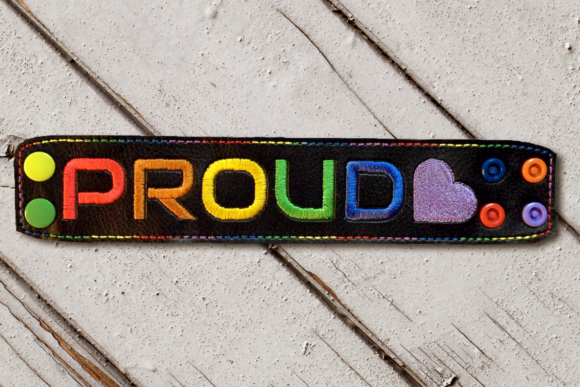
The first thing that strikes you about the Proud LGBTQIA design is its bold, celebratory mood. The concept is simple yet powerful: the word “PROUD” followed by a heart, with each letter rendered in a different color. This structure naturally lends itself to rainbow themes or specific pride flag colorways, making it an ideal choice for Awareness related projects. Visually, the design feels modern and clean. It avoids overly complex shading or tiny, fragile details that often cause issues during stitching. Instead, it relies on strong, legible typography and a universally recognized symbol of love.
For designers looking to expand their design assets, this piece offers a high decorative appeal without being overly busy. The separation of colors per letter allows for creative flexibility. You are not locked into a single gradient; you can mix and match thread colors to suit specific customer requests or seasonal trends. This modularity is a significant advantage when creating custom apparel or personalized gifts where client preference plays a huge role.
Performance in Real Embroidery Projects
When considering how this design performs in actual Embroidery work, I looked at several common applications. The design’s structure suggests it would excel on flat, stable surfaces. Here is how I envision it working across different product types:
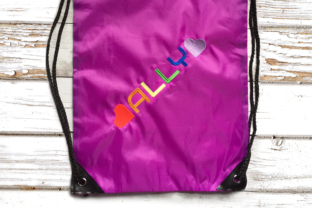
- Tote Bag Design: Canvas tote bags are a staple for pride merchandise. The bold lettering of this design would stand out beautifully against natural cotton canvas. The distinct color blocks ensure the message is readable from a distance, which is crucial for statement pieces.
- Sweatshirt Embroidery: Applying this to a hoodie or crewneck requires attention to fabric stretch. However, because the letters are individual units rather than one massive connected block, there is less risk of severe puckering if proper stabilization is used. It makes for a striking chest logo or a larger back print.
- Embroidered Patch: This is perhaps the most versatile application. By stitching the design onto twill or felt and cutting it out, you create a wearable patch. This allows customers to add pride elements to jackets, bags, or hats without committing to permanent embroidery on the garment itself.
- Kitchen Towels and Aprons: For home goods, the playful nature of the multi-colored letters fits well. It adds a touch of personality to utilitarian items, making them excellent handmade gifts for housewarmings or pride month celebrations.
I also considered its use on caps. While possible, curved surfaces require careful hooping. The width of the word “PROUD” needs to be checked against your specific cap frame capabilities. If the design is too wide, it may distort on the front panel of a structured cap. Always measure your usable hoop area before committing to this application.
Technical Considerations for Stitching
From a technical standpoint, there are several factors to manage to ensure a professional finished product. Since the description notes that each letter is a different color, you will be dealing with multiple color stops. This means more thread trims and potentially longer production time per unit compared to a single-color monogram. Plan your workflow accordingly to maintain efficiency.
Stitch density is another critical factor. Although specific density numbers are not provided in the brief description, typical lettering designs like this usually utilize a combination of satin stitch for smaller elements and fill stitch for larger areas. If the letters are large, a fill stitch provides better coverage and durability. If they are small, satin stitch offers a cleaner, raised look. I recommend downloading the file and inspecting the stitch map in your embroidery software before loading it onto the machine. Look for any excessively long jumps or dense clusters that might cause needle heating.
Fabric choice matters immensely here. On dark fabric, you must ensure your thread colors have enough contrast and opacity. Light pastel threads on black cotton may require an underlay or a backing layer to prevent the fabric color from showing through. Conversely, on textured fabric like terry cloth towels, you may need a topping stabilizer to keep the stitches from sinking into the pile. Always test on scrap fabric first. This step is non-negotiable for professional results.
Enhancing Product Value and Brand Consistency
Using a well-executed design like Proud LGBTQIA can significantly boost the perceived value of your handmade items. In the current market, buyers are looking for authenticity and quality. A crisp, cleanly stitched pride design signals that you care about detail. This builds buyer trust, which is essential for Etsy sellers and boutique owners. When your custom apparel looks professional, customers are more likely to leave positive reviews and return for future purchases.
Furthermore, this design supports brand consistency if you are building a collection around inclusivity and joy. It pairs well with other pride-themed items, allowing you to create cohesive product lines. For photography, the vibrant colors offer excellent opportunities for engaging social media content. Bright, colorful images tend to perform well in feeds, helping to drive traffic to your shop. Consider creating a printable mockup or staging the embroidered item against neutral backgrounds to let the rainbow colors pop.
Practical Tips for Commercial Use
If you plan to use this for commercial embroidery, there are a few final checks to perform. First, verify the license terms on the Creative Fabrica product page. Understanding whether the file allows for unlimited physical sales is crucial for your business model. Second, confirm the available file formats. Ensure the download includes the format compatible with your specific machine brand, whether that is PES, DST, JEF, or another proprietary format.
Finally, think about the end-user experience. If you are selling a baby blanket or a frequently washed item like a kitchen towel, durability is key. Use high-quality polyester or rayon threads that resist fading. Secure your bobbin tension properly to prevent looping on the back, which can irritate sensitive skin. By paying attention to these small details, you transform a simple digital download into a cherished heirloom or a durable daily-use item.
In conclusion, the Proud LGBTQIA design offers a solid foundation for creators looking to produce meaningful, colorful embroidery projects. Its straightforward layout minimizes technical risks while maximizing visual impact. With proper testing and attention to fabric compatibility, it can become a reliable staple in your portfolio of awareness-themed designs.