Reviewing the Christmas Maltese Embroidery Design
As an embroidery designer who has spent years digitizing patterns and testing them on everything from delicate silk to heavy denim, I approach every new machine embroidery design with a critical eye. It is not just about whether the image looks cute on a screen; it is about how it translates into thread, how it handles different fabric textures, and ultimately, how it resonates with the end customer. Recently, I had the opportunity to test the Christmas Maltese design for a potential addition to my personalized gift shop’s holiday collection. Here is my honest review of how this design performs in a real-world production environment.
First Impressions: Charm and Emotional Appeal
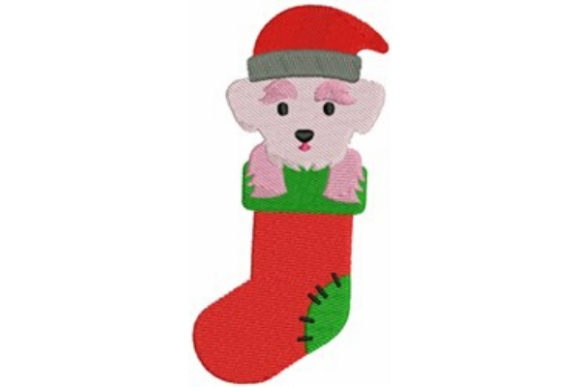
The moment I loaded the digital embroidery file into my software, the immediate impression was one of warmth and seasonal joy. The Christmas Maltese captures that specific, heartwarming aesthetic that defines the holiday season. It feels less like a generic clip-art graphic and more like a handmade illustration. For a designer, this distinction is crucial. Customers are increasingly drawn to items that feel authentic and crafted with care. This design exudes a playful yet elegant mood, making it versatile enough for both children’s items and sophisticated home decor.
The level of detail is balanced well. It is intricate enough to look professional and high-value but not so dense that it becomes a nightmare to stitch out on standard home machines. When I envision this stitched out, I see it appealing directly to dog lovers, particularly those who cherish the Maltese breed for its gentle and affectionate nature. Combining that breed-specific love with Christmas imagery creates a powerful emotional hook for buyers looking for a personalized gift that speaks to their specific passions.
Versatility Across Product Lines
One of the strongest assets of the Christmas Maltese is its adaptability. In my shop, we do not limit ourselves to one type of product. I tested the design mentally against several key categories where it could thrive as a small shop product.
- Baby Embroidery: Imagine this design on a soft, cream-colored baby blanket. The gentle expression of the dog pairs perfectly with nursery decor. It would make a cherished keepsake for families celebrating their first Christmas with a new baby or a new puppy.
- Kitchen and Home Textiles: An embroidered towel featuring this design would be a standout item during the holiday markets. The contrast of festive thread colors against white or red flour sack towels creates a classic look that never goes out of style.
- Apparel and Accessories: For the Etsy seller looking to expand their catalog, this design works beautifully on tote bags, aprons, and even sweatshirts. It adds a touch of whimsy to everyday items, turning a plain canvas bag into a statement piece.
- Wedding and Keepsake Gifts: While primarily a Christmas design, the elegance of the Maltese breed allows it to cross over into wedding gift territory for couples who are dog parents. A wedding gift featuring their beloved pet in a festive setting is deeply personal and likely to be displayed proudly.
Technical Considerations for Production
While the aesthetic appeal is high, practical application requires attention to detail. As a professional, I always advise checking the technical specifications before committing to a large batch of orders. Since the product description notes that this is a high-quality embroidery ready for sewing projects, we must still verify the specifics to ensure a flawless finished product.
Fabric and Stabilizer Selection
The success of any custom embroidery project relies heavily on the interaction between the needle, the thread, and the fabric. For the Christmas Maltese, I recommend starting with a medium-weight cotton or a stable linen blend. These fabrics provide a smooth surface that allows the details of the dog’s fur and facial features to remain crisp.
If you are stitching on textured fabrics, such as thick terry cloth towels or fuzzy fleece blankets, you must adjust your approach. The stitch density needs to be sufficient to prevent the fabric from showing through the design, but not so dense that it causes puckering. Always use an appropriate stabilizer. For stretchy baby clothes, a cut-away stabilizer is essential to maintain the integrity of the design after repeated washing. For woven towels, a tear-away might suffice, but testing is key.
Color Contrast and Thread Choices
Thread selection can make or break this design. Because the Maltese is a white dog, stitching it on white fabric requires careful planning. You will need to rely on shadow effects or outline stitches to define the shape. Alternatively, using a light gray or cream thread for the body against a darker background can create a beautiful, subtle effect. For a bolder look, consider using vibrant reds and greens for the Christmas elements, ensuring they contrast sharply with the dog’s fur. Always create a printable mockup or stitch a sample on scrap fabric to check thread colors under your shop’s lighting conditions.
Navigating Challenges and Limitations
No design is perfect for every application. There are specific scenarios where the Christmas Maltese should be used with caution. If the design includes small lettering or intricate details, these may get lost on highly textured surfaces like looped towels or coarse burlap. In such cases, consider simplifying the design or increasing the size if the hoop size permits.
Additionally, be mindful of curved surfaces. Stitching on a rounded pillow cover or a fitted hat requires precise hooping to avoid distortion. Dark fabrics present another challenge; if the design relies on light threads, you may need an underlay stitch or a backing patch to prevent the dark fabric from peeking through the lighter areas of the dog’s coat. Always confirm the maximum hoop size compatibility before purchasing, as this will dictate which products you can offer.
Enhancing Perceived Value and Customer Trust
From a business perspective, the Christmas Maltese is more than just a pattern; it is a tool for building brand loyalty. High-quality commercial embroidery signals professionalism. When customers receive a product with clean stitches, proper tension, and thoughtful design placement, their trust in your brand grows. This design, with its inherent charm, encourages social sharing. A well-photographed blanket embroidery or a cute apron featuring this dog is likely to be posted on social media, providing organic marketing for your small business.
To maximize this effect, invest time in your product photography. Show the design in context—on a cozy armchair, wrapped as a gift, or being used in a kitchen. Highlight the texture of the thread and the precision of the stitches. This helps online buyers visualize the quality of the handmade product they are purchasing.
Final Verdict and Best Practices
The Christmas Maltese is a strong contender for any embroidery business looking to expand its holiday offerings. It balances emotional appeal with technical feasibility. However, before adding it to your store, take these final steps:
- Test on Scrap Fabric: Never skip this step. Stitch the design on the exact material you plan to sell to check for puckering or thread breaks.
- Check Licensing: Ensure you have the rights for commercial embroidery use. Verify if the license allows for unlimited physical sales or if there are restrictions.
- Review File Formats: Confirm that the embroidery file comes in the formats compatible with your machine (such as PES, DST, or JEF).
- Create Variations: Consider offering the design in different colorways to appeal to a broader audience.
In conclusion, this design offers a delightful blend of seasonal spirit and breed-specific affection. With careful attention to stabilizer choice, thread contrast, and fabric selection, it can become a bestseller in your shop. It is a design that invites connection, making it an excellent choice for creating meaningful, personalized gifts that customers will treasure for years to come.