Seafood Wahoo Fish: A Designer’s Review
As an embroidery designer who has spent countless weekends behind a craft fair table, I have learned that not all designs are created equal. Some look beautiful on a screen but fail to capture attention in a busy booth. Others become instant bestsellers because they strike the perfect balance between visual appeal and production efficiency. Today, I am reviewing the Seafood Wahoo Fish design, evaluating it through the lens of a maker who needs products that sell.
The Seafood Wahoo Fish is described as a high-quality embroidery for your next sewing project. The promise is that this detailed embroidery will look great on any fabric or clothes it is stitched on. For those of us running small shops or Etsy stores, "high-quality" and "detailed" are keywords we scrutinize heavily. Let us break down how this machine embroidery design performs in the real world of handmade goods.
First Impressions and Visual Appeal
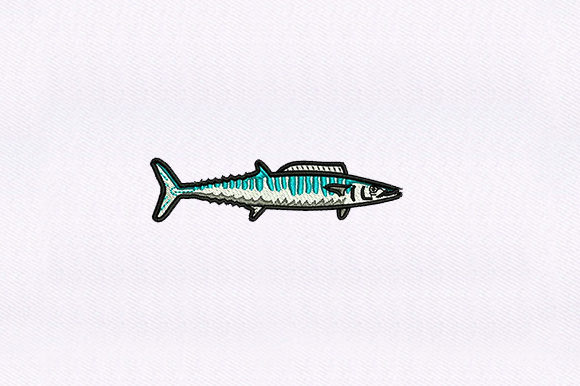
When I first loaded the Seafood Wahoo Fish into my digitizing software, the immediate impression was one of boldness. Wahoo fish are known for their sleek, predatory shape and distinctive markings. In the context of Food and Embroidery, this design leans heavily into a rustic, coastal aesthetic. It does not feel overly cute or childish; rather, it carries a modern, slightly rugged vibe that appeals to a broad demographic, from fishing enthusiasts to lovers of coastal home decor.
The detail mentioned in the product description is crucial. In a craft fair setting, customers often browse quickly. A design needs to be understandable at a glance. The Seafood Wahoo Fish succeeds here because the silhouette is recognizable even from a distance. However, the term "detailed" also raises questions about stitch density. High detail can sometimes mean dense stitching, which may affect the drape of lightweight fabrics. This is a critical consideration for any embroidery file intended for apparel or kitchen textiles.
Product Applications for Craft Fair Sellers
To determine the commercial viability of this design, I imagined setting up a booth display. Where would the Seafood Wahoo Fish stand out? Here is how I see it performing across various craft fair products:
- Tote Bag Design: This is likely the strongest application. A canvas tote provides a stable, flat surface that can handle the stitch density of a detailed fish design. The contrast of colorful thread against natural canvas creates a premium look that justifies a higher price point.
- Apron Embroidery: For a boutique maker, adding this design to the bib of a heavy-duty denim or canvas apron creates a fantastic gift item for chefs or outdoor cooks. It feels thematic and purposeful.
- Tea Towel Embroidery: While popular, tea towels require careful handling. If the Seafood Wahoo Fish has high stitch density, it might pucker thin linen. I would recommend testing this on heavier flour sack towels or using a robust cut-away stabilizer to maintain structure.
- Embroidered Patch: If the design holds up well at smaller sizes, it could be a hit as an iron-on or sew-on patch. Patches are excellent small shop products because they are easy to ship and have low material costs.
- Caps and Hats: Curved cap surfaces are tricky. If the design is wide, it may distort on the front panel of a baseball cap. I would advise checking the width of the design assets to ensure it fits within standard hoop size limitations for hats.
Production Practicality and Batch Selling
For an Etsy seller or digital seller, time is money. The Seafood Wahoo Fish needs to be repeatable. A design that takes ten hours to stitch is not practical for a weekend market unless you are charging luxury prices. Since the exact stitch count is not provided in the description, I strongly advise downloading a trial version or checking the specs before committing to bulk production.
Photography is another key factor. Does the design photograph well for online listings? Detailed embroidery often catches the light beautifully, creating texture that pops in photos. This can significantly boost engagement on social media and Etsy listings. Creating a printable mockup with this design can help you visualize how it looks on different colored fabrics before you stitch a single thread.
Careful-Use Notes for Embroiderers
Even high-quality machine embroidery designs have limitations. Here are some practical warnings based on the "detailed" nature of the Seafood Wahoo Fish:
- Fabric Texture: Textured towels or thick fleece can swallow small details. Ensure the thread colors contrast sharply with the fabric to maintain clarity.
- Small Lettering: If the design includes any text, check if it remains legible at smaller sizes. Tiny lettering often merges together when stitched on textured fabrics.
- Dense Stitch Areas: High density can cause perforation in lightweight fabrics. Always use the right stabilizer. For woven fabrics like cotton or linen, a cut-away stabilizer is often safer than tear-away for detailed designs.
- Dark Fabric: If stitching on dark navy or black, ensure the thread colors are vibrant enough to stand out. You may need to adjust brightness settings in your machine or choose specific thread brands known for vibrancy.
Enhancing Brand Consistency and Value
Using the Seafood Wahoo Fish consistently across your product line can strengthen your brand identity. If your shop focuses on coastal, outdoor, or culinary themes, this design becomes a signature element. It adds perceived value to a finished product because customers associate detailed embroidery with handmade quality and effort.
Booth display strength relies on variety. By placing the same design on a tote, a pillow cover, and a pouch, you show versatility. This helps buyer engagement as customers can imagine the design in their own homes or wardrobes. It transforms a simple digital embroidery file into a cohesive collection of commercial embroidery products.
Designer’s Checklist Before Production
Before you start stitching hundreds of units for your next market, follow these steps:
- Test on Scrap Fabric: Never skip this step. Stitch the design on the exact fabric you plan to sell.
- Check Thread Contrast: Ensure the thread colors pop against your chosen fabric background.
- Review Spacing: Look for any areas where stitches are too close together, which could cause thread breaks.
- Confirm Hoop Size: Make sure the design fits your available hoops without excessive re-hooping.
- Inspect Stitch Density: Feel the back of the sample. Is it too stiff? If so, consider resizing or adjusting density settings if you have the editable file.
- Create a Real Mockup: Take a photo of your test stitch-out to use in your marketing materials.
- Compare Fabric Colors: See how the design looks on white, cream, navy, and gray to determine your best sellers.
- Confirm Commercial Licensing: Always verify that your purchase of the digital embroidery file includes rights to sell finished products. This is vital for legal protection as a creative entrepreneur.
In conclusion, the Seafood Wahoo Fish appears to be a strong contender for craft fair products. Its detailed nature offers a premium look that can elevate simple items like tote bags and aprons. However, success depends on thoughtful execution. By paying attention to fabric choice, stabilizer selection, and product placement, you can turn this machine embroidery design into a profitable staple of your handmade business. Whether you are an experienced embroidery business owner or a new Cricut and embroidery crafter, this design offers the versatility needed to thrive in the competitive world of handmade markets.