2 Cages: A Designer’s Review for Brand Merch
As an embroidery designer who has spent years digitizing and testing files for commercial use, I approach every new machine embroidery design with a critical eye. It is not just about whether the art looks pretty on a screen; it is about how it performs under the needle, how it holds up after fifty washes, and how it elevates a brand’s perceived value. Recently, I reviewed 2 Cages, a detailed piece from the Birds category, to determine its viability for small business merchandise and branded patch applications. The initial promise is strong: a high-quality embroidery solution intended for diverse sewing projects that claims to look great on any fabric. But does it deliver in a real-world commercial setting? Let us dive into the specifics.
First Impressions and Visual Personality
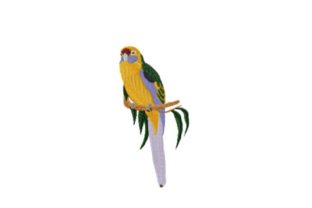
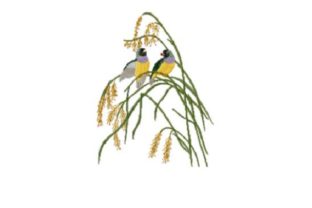
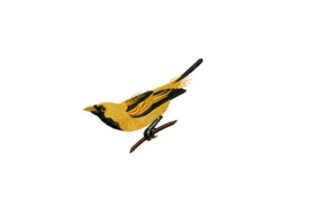
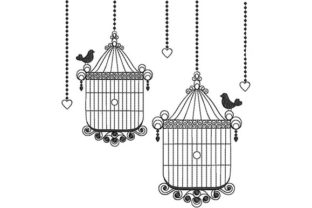
The title 2 Cages immediately suggests a narrative element. In the context of Embroidery, cage motifs often evoke feelings of vintage charm, rustic elegance, or perhaps a playful contrast between confinement and freedom, especially when paired with bird imagery. My first impression of this design is that it leans toward a decorative, classic aesthetic. It feels handmade yet refined, which is a difficult balance to strike. For boutique owners and Etsy sellers, this visual personality is gold. It does not scream "corporate generic"; instead, it whispers "artisanal care."
The description notes that this is a detailed embroidery. In my experience, detail can be a double-edged sword. While it adds richness to a large tote bag or a wall hanging, it can become muddy on smaller applications. However, the assurance that it is a high-quality file suggests that the digitizer has likely accounted for pull compensation and stitch direction, which are critical for maintaining clarity. The design feels professional enough to serve as a central logo accent but decorative enough to work as an embellishment on higher-end custom apparel.
Real-World Applications for Small Business Merch
When I evaluate a digital embroidery file for business use, I mentally place it on various products to test its versatility. Here is how 2 Cages performs across different mediums:
- Embroidered Patches: This is arguably the strongest use case. A detailed bird and cage motif works exceptionally well as an iron-on or sew-on patch. It allows customers to buy a standalone product or add it to existing jackets and bags. The intricate lines of the cage can create a beautiful texture that catches the light, adding depth to the finished product.
- Tote Bag Design: Canvas tote bags are a staple for bakeries, florists, and bookshops. The 2 Cages design, with its likely vertical or balanced composition, would sit beautifully on the center or lower corner of a tote. It transforms a simple utility item into a statement piece that reinforces brand identity.
- Apron Embroidery: For cafés and creative studios, staff uniforms are walking billboards. Embroidering this design on the bib of a canvas apron adds a touch of sophistication. It signals to customers that the business cares about aesthetics, enhancing customer trust and perceived professionalism.
- Cap Embroidery: This requires caution. If the design is wide, it may not fit the curved front panel of a standard baseball cap without distortion. However, if scaled down correctly, it could work as a side-panel accent or on unstructured dad hats, appealing to a younger, trend-conscious demographic.
Navigating Technical Challenges
While the artistic merit of 2 Cages is evident, practical application requires technical vigilance. The description mentions it looks great on any fabric, but as a designer, I must advise against taking that literally without testing. Here are the areas where you need to be careful:
Stitch Density and Fabric Texture: Detailed designs often have higher stitch density. If you stitch this on a lightweight, stretchy fabric like a thin t-shirt, you risk puckering. You must use a cut-away stabilizer to support the weight of the threads. Conversely, on heavy denim or canvas, the design will pop, but you must ensure your machine has the power to penetrate multiple layers without breaking needles.
Small Patch Sizes: If you intend to shrink this design for a small chest logo or a tiny label, the details of the cage bars and the bird’s features might merge. I recommend running a test stitch at your smallest intended size. If the holes in the cage close up or the bird becomes a blob, you may need to simplify the design or increase the size.
Thread Colors: The impact of this design relies heavily on contrast. On dark uniforms, using light thread colors for the cage can create a striking silhouette. However, ensure that the thread colors you choose do not clash with the base fabric. A monochromatic look (e.g., black thread on black fabric) can look incredibly premium and subtle, suitable for high-end boutiques, but it requires perfect tension settings to be visible.
Impact on Brand Identity and Customer Engagement
In the world of small business merch, consistency is key. Using a cohesive set of design assets helps build recognition. 2 Cages can serve as a secondary brand mark. If your primary logo is text-based, this illustrative element adds emotional resonance. It humanizes the brand. When a customer receives a package with a custom embroidered thank-you note or a small branded patch, the tactile quality of the embroidery creates a memorable unboxing experience. This tangible quality drives buyer engagement and encourages social media sharing, which is invaluable for organic growth.
Practical Designer Notes for Production
Before you commit to a large production run of commercial embroidery using this file, follow these steps to ensure success:
- Test in Black and White: Before selecting your final palette, stitch the design out in black thread on white fabric. This reveals the true structure and spacing of the stitches without the distraction of color. It helps you identify any potential gaps or overlapping issues.
- Check Hoop Size Compatibility: The product description does not specify the exact hoop size required. You must verify this in the file metadata. Ensure your embroidery machine can accommodate the necessary hoop, especially if you are working with larger items like tote bags or aprons.
- Create a Printable Mockup: Use digital tools to place the design on photos of your actual products. This helps you visualize scale and placement before wasting thread and fabric. Share this printable mockup with clients for approval if you are doing custom work.
- Verify Commercial Licensing: Always confirm the license terms associated with the embroidery file. Ensure you have the right to use it for physical goods sold for profit. Some designers require an extended license for mass production.
- Inspect Spacing and Jump Stitches: Open the file in your editing software. Check for excessive jump stitches that could slow down production or create messy backs. Trim threads efficiently to maintain a clean handmade product appearance.
In conclusion, 2 Cages offers a compelling option for businesses looking to add a touch of narrative and artistry to their merchandise. It bridges the gap between decorative art and functional branding. By respecting the technical requirements of stitch density, stabilizer choice, and fabric selection, you can leverage this design to create high-value items that resonate with your customers. Whether used on a barista’s apron or a shopper’s tote, it stands as a testament to the power of thoughtful custom apparel and accessory design.