Happy Easter Redwork: A Designer’s Review
As an embroidery designer who spends the better part of the year planning seasonal collections, I know that timing is everything. When the calendar turns toward spring, my focus shifts immediately to creating products that capture the renewal and joy of the season. This year, while curating a new lineup for my shop, I took a close look at Happy Easter Redwork. It is not just another digital file; it is a strategic asset for anyone looking to capitalize on the holiday rush. In this review, I will break down why this specific lineart design deserves a spot in your commercial library and how it can elevate your small shop product offerings.
First Impressions: Nostalgia Meets Modern Simplicity
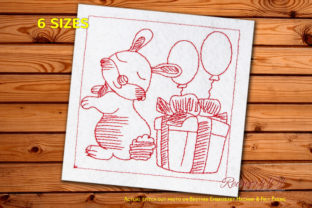
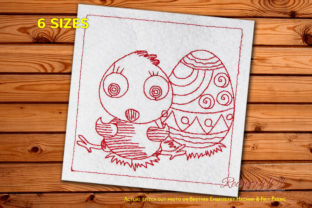
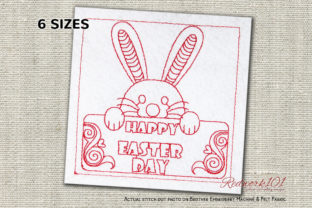
The moment I loaded the Happy Easter Redwork preview onto my screen, I was struck by its clean, classic aesthetic. Redwork embroidery has a deep historical root, evoking a sense of nostalgia and rustic charm that resonates strongly with modern buyers seeking authenticity. Unlike complex, multi-color designs that can sometimes feel chaotic on smaller items, this lineart approach offers a breathable, elegant simplicity. The emotional tone is playful yet refined, striking a balance between cute and premium. It feels festive without being overly loud, making it versatile for a wide demographic, from young families to collectors of vintage-style home decor.
The detail level is appropriate for machine execution. It avoids the pitfalls of overly tiny elements that might get lost in fabric texture, ensuring that the final stitched result remains crisp and recognizable. For an Etsy seller or craft fair vendor, this visual clarity is crucial. Customers scrolling through social media previews need to instantly recognize the theme, and this design delivers that immediate seasonal appeal.
Strategic Product Applications for the Season
When building a seasonal shop collection, versatility is key. You want a single machine embroidery design that can span multiple product categories to maximize your return on investment. Here is how I envision using Happy Easter Redwork across different mediums:
- Apparel and Wearables: This design shines on sweatshirt embroidery projects. The bold lines stand out beautifully against heather grey or pastel pink fleece. It is also perfect for creating family matching items, such as coordinating t-shirts for egg hunts or Sunday brunches.
- Home Decor and Linens: Kitchen towel embroidery is a massive market during spring. The redwork style complements traditional waffle-weave or flour sack towels effortlessly. Additionally, consider using it on pillow covers or table linens to create a cohesive dining experience for holiday gatherings.
- Accessories and Gifts: A tote bag design featuring this motif makes for an excellent reusable gift bag or everyday carry-all. For smaller impulse buys, an embroidered patch can be applied to denim jackets or canvas bags, adding a custom touch to ready-made garments.
- Ornaments and Keepsakes: Because the design is linear and open, it works well on felt ornaments or framed hoop art, serving as a lasting personalized gift that customers can display year after year.
Navigating Technical Challenges and Fabric Choices
While Happy Easter Redwork is user-friendly, successful execution requires attention to technical details. As experienced creators know, the difference between a amateur-looking item and a professional finished product often lies in the preparation. Here are critical areas where you must exercise care:
Fabric Texture and Color: Redwork traditionally uses red thread on white or cream fabric. However, modern interpretations allow for creativity. If you choose dark fabric, ensure your thread colors have enough contrast. Test your thread on both light and dark swatches before committing to a full production run. On thick towels, the stitch density must be sufficient to prevent the fabric from showing through the lines, but not so dense that it causes puckering.
Hoop Size and Placement: Always confirm the hoop size required for the specific file version you purchase. Since this design comes with multiple embroidery file formats, you likely have options for different hoops. Be cautious when placing the design on curved caps or stretchy garments. Without proper stabilization, the linear nature of redwork can distort easily. Use a cut-away stabilizer for stretchy fabrics like sweatshirts to maintain the integrity of the lines.
Small Details and Lettering: If the design includes any text or intricate borders, check the legibility after a test stitch. Tiny lettering can merge if the tension is off. Review small details closely under good lighting to ensure every jump stitch has been trimmed and every line is smooth.
Boosting Sales Through Visual Appeal and Branding
In the competitive landscape of online handmade goods, visual recognition drives sales. Happy Easter Redwork aids in brand consistency because its style is distinct and easily reproducible across various products. When you use the same design on a tote, a towel, and a shirt, you create a curated collection that looks professional and thoughtful. This coherence builds customer trust and encourages bundle purchases.
To maximize engagement during holiday shopping periods, leverage high-quality printable mockups. Show potential buyers how the embroidery looks in a real-life setting—on a cozy kitchen counter or worn by a smiling child. These visuals help customers imagine the product in their own lives, increasing the perceived value of the handmade gift. Furthermore, because redwork is timeless, it does not feel dated quickly, which can reduce the pressure of limited-time drops and allow for a longer selling window.
Practical Notes for the Commercial Embroiderer
Before you begin stitching for profit, there are administrative and practical steps to take. First, always verify the license terms. Ensure that the digital embroidery file you purchase includes rights for commercial embroidery. Selling finished products without proper licensing can lead to serious legal issues for your small business.
Second, plan your color palettes in advance. While red is traditional, consider offering variations using pastel threads for a softer spring look or metallic thread for a touch of elegance, keeping in mind that metallic threads may require slower stitching speeds and specific needles. Create realistic mockups that reflect these variations to test market response.
Finally, remember that this machine embroidery design comes with multiple embroidery file formats and can be used in multiple embroidery machines. Take the time to identify which format works best with your specific machine model to avoid conversion errors that can alter stitch density or pathing.
Final Verdict: A Staple for Your Spring Collection
Incorporating Happy Easter Redwork into your seasonal lineup is a smart move for any embroidery entrepreneur. It balances aesthetic appeal with technical reliability, making it suitable for a wide range of products from apparel to home decor. By paying attention to fabric choice, stabilization, and presentation, you can transform this simple lineart design into a high-value asset for your shop. Whether you are an experienced Etsy seller or a newcomer to commercial embroidery, this design offers the flexibility and charm needed to delight customers and drive sales during the busy spring season.