Healthy Lettering: A Designer’s Review for Boutique Apparel
As an embroidery designer who spends countless hours digitizing and testing designs for boutique collections, I am always on the lookout for versatile assets that bridge the gap between home decor and wearable art. Recently, I explored Healthy Lettering, a machine embroidery design available on Creative Fabrica. While the product description categorizes it under House and notes its suitability for pillows and blankets, my professional eye immediately saw potential beyond the living room. For apparel decorators, Etsy sellers, and small clothing brands, this design offers a unique aesthetic that can elevate sweatshirt embroidery and custom apparel projects with minimal effort.
First Impressions: Visual Personality and Stitching Mood
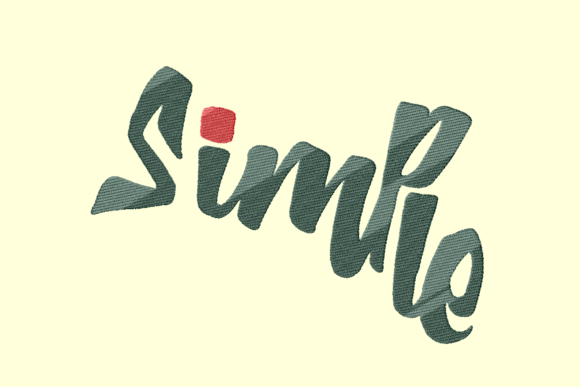
When I first loaded the digital embroidery file into my viewing software, the immediate impression was one of approachable warmth. The lettering style strikes a balance between casual and curated. It does not feel overly rigid or corporate; instead, it carries a handmade charm that resonates with current trends in slow fashion and cozy lifestyle branding. The stitch definition appears clean, suggesting a moderate stitch density that should lay flat without becoming too bulky—a critical factor when working with softer fabrics like fleece or cotton blends.
The visual mood is distinctly positive and uplifting. In the context of boutique merchandise, this translates to high emotional value. Customers are not just buying a hoodie; they are buying a feeling of wellness and comfort. This makes Healthy Lettering an excellent candidate for brands focusing on self-care, mental health awareness, or general positivity. Whether you aim for a minimalist look or something more playful, the design’s structure allows for flexibility in thread color selection, enabling it to feel either bold and trendy or soft and feminine.
Applying Healthy Lettering to Sweatshirts and Hoodies
My primary test scenario involved preparing a small collection of neutral sweatshirts and pastel hoodies for a hypothetical online shop launch. Here is how I envision this design performing across various garment types:
- Hoodie Chest Placement: This is the most classic application. Placing Healthy Lettering on the left chest area creates a subtle, premium look. It works exceptionally well on oversized garments where negative space is abundant. The design acts as a focal point without overwhelming the silhouette.
- Sleeve Accents: For a more contemporary streetwear vibe, consider placing the design on the lower sleeve or forearm area. This requires careful hooping but adds a unique touch that distinguishes your finished product from mass-market alternatives.
- Back Designs: If the design scales well within your maximum hoop size, a larger version on the back of a dark apparel piece can create a striking contrast. Ensure you check the stitch count and density to prevent puckering on the thinner fabric often used for the back panels of cheaper blanks.
- T-Shirt Embroidery: On lighter cotton tees, this design adds texture and perceived value. However, you must use a cut-away stabilizer to support the stitches, as knit fabrics stretch. The result is a high-end look that justifies a higher price point for your small shop product.
Versatility Beyond Apparel: Totes and Denim
While my focus is apparel, the versatility of this embroidery file extends to accessories that complement a clothing line. Tote bags are a staple for creative entrepreneurs and handmade business owners. Embroidering Healthy Lettering on a canvas tote creates a cohesive brand experience when paired with matching apparel. The durability of machine embroidery holds up well against the rougher texture of canvas, provided you use a heavy-duty needle and appropriate stabilizer.
Denim jackets also present a fantastic opportunity. The rugged texture of denim contrasts beautifully with the softness of embroidery thread. Using contrasting thread colors—such as cream or light pink on indigo denim—can make the lettering pop, creating a vintage-inspired, rustic aesthetic that appeals to a wide demographic of buyers.
Technical Considerations for Professional Results
To ensure your commercial embroidery products meet professional standards, there are several technical factors to address before running a production batch. Since the product details mention multiple embroidery file formats, you likely have options compatible with major machine brands. However, always confirm the specific compatibility with your equipment.
Stabilizer Choice: For sweatshirts and hoodies, a medium-weight cut-away stabilizer is generally recommended. This provides permanent support for the stitches, preventing distortion after washing. For woven fabrics like tote bags, a tear-away might suffice, but testing is key.
Fabric Texture and Stretch: Be cautious with highly stretchy fabrics or ribbed areas. Embroidery does not stretch. If you place Healthy Lettering on a ribbed cuff or collar, it may pucker or restrict movement. Stick to stable panels of the garment. Additionally, on dark garments, ensure your thread colors have enough contrast to remain legible. A satin stitch border or underlay can help define the letters against busy or dark fabric textures.
Hoop Size and Placement: Before finalizing your design, check the dimensions of the embroidery file against your hoop size. If the design is large, you may need a multi-position hoop or a larger frame. Always test on scrap fabric that matches your production material. This allows you to inspect stitch density and adjust tension settings without risking expensive blanks.
Enhancing Brand Identity and Buyer Trust
In the competitive world of Etsy listings and social media graphics, presentation is everything. Using a consistent design element like Healthy Lettering across your collection helps establish visual consistency. This recognition builds buyer trust and strengthens your boutique brand identity. When customers see a cohesive look in your printable mockup and lifestyle product photos, they perceive your business as more professional and established.
Furthermore, embroidered items have a tactile quality that printed graphics lack. This sensory experience increases customer engagement and satisfaction. A well-executed embroidery design signals quality, encouraging repeat business and positive reviews. For digital sellers who also offer physical goods, showcasing the texture of the stitches in close-up photos can significantly boost conversion rates.
Final Thoughts for Creative Entrepreneurs
Healthy Lettering is a versatile asset that transcends its initial categorization as a home decor item. For the savvy apparel decorator, it offers a pathway to create meaningful, high-value custom apparel. Whether you are designing for a cozy seasonal outfit line or adding subtle accents to everyday wear, this design provides the aesthetic flexibility needed for modern boutique trends.
Before launching your collection, remember to review the licensing terms provided by Creative Fabrica to ensure you are compliant for selling finished apparel. Test your thread color combinations, verify your stabilizer choices, and prioritize quality control. By treating this digital embroidery file with the same care as your own digitized work, you can create standout pieces that resonate with your audience and elevate your brand’s reputation in the handmade marketplace.