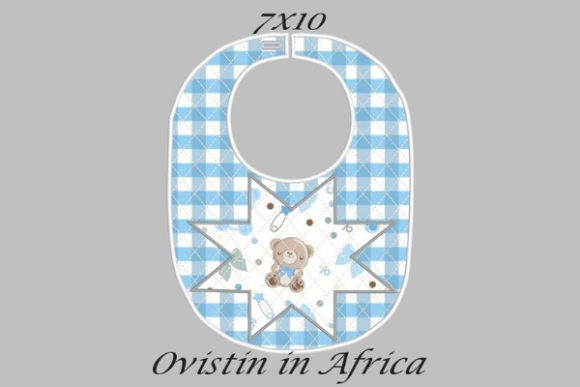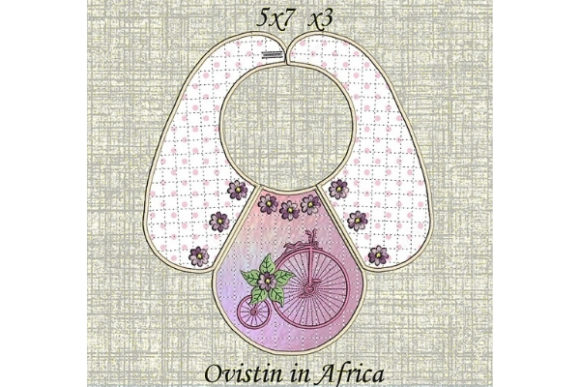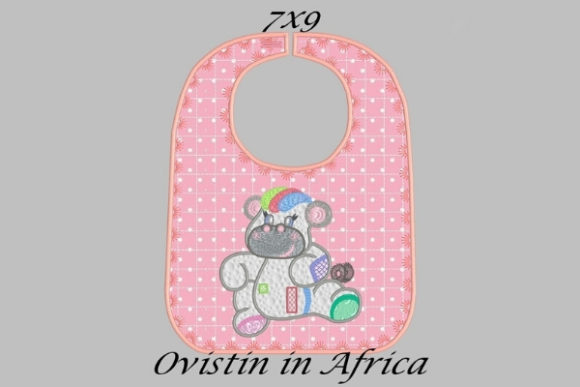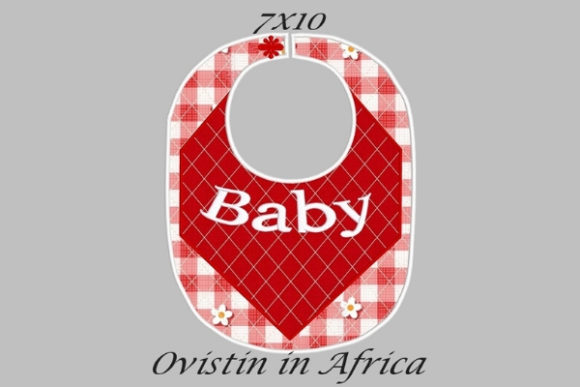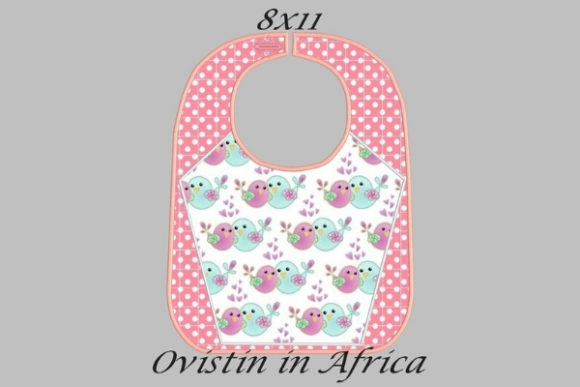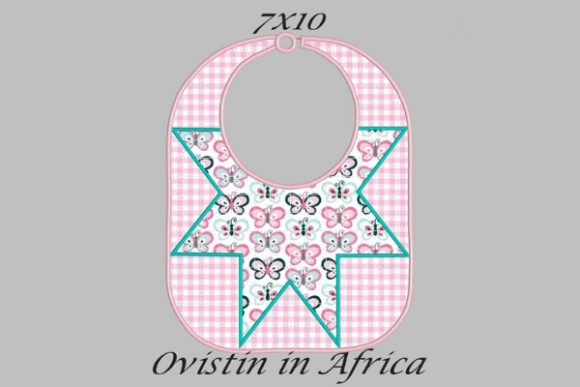
Pink Star Adorable Baby Bib Small Review
As an embroidery designer who has spent years digitizing and testing files for commercial use, I approach every new machine embroidery design with a critical eye. It is not just about whether the design looks cute on a screen; it is about how it performs in the real world of small business merchandise. Today, I am reviewing the Pink Star Adorable Baby Bib Small. While the product title suggests it is intended for nursery items, my focus here is strictly on its viability as a versatile asset for branded patches, custom apparel, and boutique merchandise.
First Impressions: Visual Personality and Brand Fit
The first thing that strikes me about the Pink Star Adorable Baby Bib Small is its inherent friendliness. The description highlights a "double applique" technique, which immediately signals a textured, layered look. In the context of brand identity, this design leans heavily into the playful, handmade, and adorable aesthetic. It does not scream corporate rigidity; instead, it whispers warmth and care. For businesses in the nursery sector, this is obvious. However, for a broader range of small businesses, such as a family-friendly café, a boutique bakery, or a creative studio targeting parents, this visual personality can be a powerful tool for customer engagement.
The use of pink as a primary descriptor suggests a soft, welcoming tone. If your brand identity is built on trust, gentleness, and approachability, this design aligns perfectly. It feels decorative yet structured enough to serve as a recognizable logo accent. The "adorable" factor is high, which means it will likely perform well in markets where emotional connection drives sales, such as Etsy shops or local craft fairs.
Performance in Real Business Applications
When evaluating a digital embroidery file for commercial embroidery projects, we must look beyond the baby bib. How does this design translate to other substrates? Here is how I see the Pink Star Adorable Baby Bib Small performing across various product lines:
- Embroidered Patches: The double applique nature of this design makes it an excellent candidate for iron-on or sew-on patches. Applique reduces stitch count compared to full satin fill, making the patch lighter and less prone to puckering. This is ideal for adding to denim jackets, canvas tote bags, or even as a unique tag on handmade products.
- Custom Apparel and Uniforms: For staff uniforms in child-centric businesses, this design could work beautifully as a chest logo accent. It adds a touch of personality to standard polo shirts or aprons. However, placement is key. On an apron, it could serve as a pocket detail, reinforcing the brand’s commitment to quality and care.
- Tote Bag Design: Canvas tote bags are a staple for small business merch. The bold shapes typical of star designs usually translate well to the coarse fabric texture of canvas. The batting inlay mentioned in the description suggests a padded effect, which would add a premium, tactile element to a tote bag, increasing the perceived value of the finished product.
- Cap Embroidery: Using this on caps requires caution. The curved surface of a cap front can distort complex designs. However, if the star shape is simple and the applique edges are clean, it can work as a side-panel accent or a small front emblem, provided the hoop size is appropriate for the cap frame.
Technical Considerations for Production
Before you load this embroidery file into your machine for a large run, there are technical factors to consider. The description notes a "towel backing" and "batting inlay." In a professional embroidery shop, these elements contribute to the luxury feel but also affect production time and material costs. When adapting this design for non-bib items, you must decide if these layers are necessary. For a patch on a tote bag, the batting might be redundant if the bag material is already thick. Conversely, omitting it might make the design look flat and less premium.
Stitch density is another critical factor. Applique designs generally have lower density than filled designs, which is good for preventing fabric distortion. However, you must check the tack-down stitches. Are they dense enough to hold the applique fabric securely during frequent washing? For items like staff uniforms or customer gifts that will see heavy use, durability is paramount. I recommend running a test wash on your sample to ensure the edges do not fray or lift.
Furthermore, consider the thread colors. The title specifies "Pink," but for brand consistency, you may need to customize the palette. Does the design hold up if you change the star to your brand’s primary color? High-contrast thread colors against the applique fabric are essential for visibility. If your brand uses pastels, ensure there is enough contrast between the satin border and the fill fabric to maintain definition.
Where to Use Caution
Not every application is suitable for the Pink Star Adorable Baby Bib Small. I advise against using this design in the following scenarios without extensive testing:
- Tiny Lettering or Complex Details: If the design includes small text elements alongside the star, they may become illegible at smaller sizes. Always inspect the design at 50% scale to check for clarity.
- Dark Uniforms with Low Contrast: If you are embroidering on black or navy fabrics, ensure the pink and applique colors pop. You may need to add an underlay or choose a brighter thread shade to prevent the design from getting lost.
- High-Stretch Fabrics: Without proper stabilizer, applique designs can shift on stretchy materials like jersey knits. Use a cut-away stabilizer for garments that will be stretched during wear, such as t-shirts or active wear.
- Small Patch Sizes: If you shrink the design too much for a tiny lapel pin or small label, the double applique layers may become difficult to trim and handle during production. Maintain a minimum size that allows for precise cutting.
Enhancing Brand Identity and Customer Trust
Incorporating a well-executed design like this into your small business merch strategy can significantly boost brand recognition. Consistency is key. If you use this star motif across your packaging, social media graphics, and physical products, it becomes a visual anchor for your customers. A high-quality embroidered patch on a thank-you gift or a branded tote bag creates a memorable unboxing experience. It signals that you pay attention to details, which builds trust.
For Etsy sellers and crafters, offering items with this design can differentiate your handmade product from mass-produced competitors. The tactile nature of embroidery adds a layer of authenticity that printed graphics cannot match. Customers are often willing to pay a premium for items that feel crafted and unique. By using this design on aprons, caps, or bibs, you are not just selling a product; you are selling a piece of your brand’s story.
Practical Designer Notes for Implementation
To ensure success with the Pink Star Adorable Baby Bib Small, follow these practical steps before full-scale production:
- Test in Black and White: Before committing to colored threads, stitch out the design in black thread on white fabric. This helps you evaluate the balance and spacing without the distraction of color.
- Check Hoop Size Compatibility: Confirm that the design fits within your standard hoop sizes. If it requires a large hoop, consider if it can be resized without losing proportion.
- Create a Printable Mockup: Use design software to place the embroidery on images of your actual products. This helps clients visualize the finished product and aids in approval processes.
- Verify Commercial Licensing: Always check the license terms associated with the digital embroidery file. Ensure you have the right to use it for commercial sales, especially if you are producing items for resale.
- Select the Right Stabilizer: Match your stabilizer to the fabric texture. Woven fabrics may need tear-away, while knits require cut-away. The batting inlay may also affect how the stabilizer interacts with the top fabric.
In conclusion, the Pink Star Adorable Baby Bib Small is more than just a nursery item. With careful consideration of placement, materials, and brand alignment, it can be a versatile asset in your commercial embroidery toolkit. Whether used for patches, apron embroidery, or tote bag accents, it offers a charming, professional finish that can elevate your small business merchandise. Always prioritize testing and quality control to ensure that every stitched item reflects the high standards of your brand.