Review: Pink Bicycle Baby Bib for Small Hoops
As a designer who has spent countless hours digitizing and testing patterns, I approach every new machine embroidery design with a mix of curiosity and caution. We have all been there: you download a file that looks adorable on the screen, only to find it puckers the fabric or loses its charm once stitched out. That is why I took a close look at the Pink Bicycle Baby Bib for Small Hoops. This isn’t just about whether the image is cute; it is about whether this embroidery file holds up in the real world of craft business production and handmade quality.
First Impressions and Design Personality
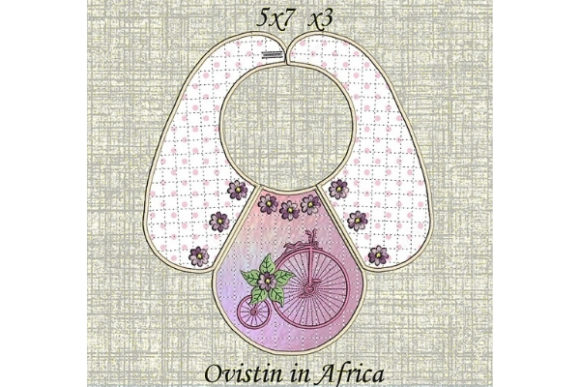
The moment I loaded the preview, the mood was clear: soft, nostalgic, and undeniably sweet. The theme centers on a classic pink bicycle, a motif that resonates deeply within the Nursery category. For babies aged 4-12 months, this aesthetic hits the right note between playful and gentle. What stands out immediately is the layout. The design is specifically digitized for ladies with small hoop embroidery machines, which tells me the creator understands the limitations of home-based equipment.
The visual personality is clean. It avoids the clutter that often plagues low-quality digital assets. Instead, it relies on strong shapes and balanced spacing. This is crucial because when you are working with a small hoop, every millimeter counts. The design feels intentional, not cramped. It suggests a product that is meant to be cherished, making it an ideal candidate for a personalized gift or a boutique baby item.
Real-World Application: Beyond the Bib
While the product title specifies a baby bib, my mind immediately went to broader applications. In my experience, a versatile embroidery project should work across multiple substrates. I imagined stitching this onto a soft cotton tote bag for a young child’s library books. The pink tones would pop beautifully against natural canvas. I also considered sweatshirt embroidery for a toddler’s spring wardrobe. The bicycle motif is timeless enough to avoid looking dated after a single season.
For Etsy sellers and small shop owners, versatility is key to profitability. This design could easily transition into an embroidered patch if stabilized correctly and cut out. Imagine offering these as add-ons for denim jackets or backpacks. The "3 parts" construction mentioned in the description suggests a modular approach, which is fascinating. It implies that the design might be split to accommodate very small hoops or to allow for creative placement on curved surfaces like caps. However, this requires careful alignment during the hooping process.
Technical Performance and Stitching Clarity
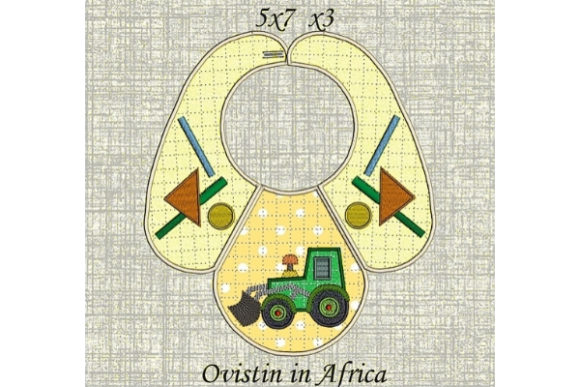
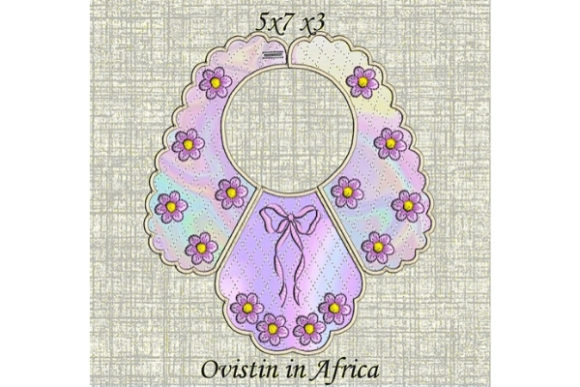
Let’s talk about the mechanics. The description notes that the bib is done in three parts and sewn together. This is a critical detail for any craft business owner. Multi-part designs require precision. If you are using this as a reference for your own projects, you must ensure your machine’s needle drop accuracy is calibrated. A misalignment of even two millimeters can ruin the visual flow of the bicycle wheels or frame.
In terms of stitch types, I anticipate a mix of satin stitch for the outlines and tire details, and fill stitch for the larger colored areas of the bike and basket. Satin stitches provide that premium, raised look customers associate with high-value handmade products. However, they can be tricky on stretchy fabrics. If you are applying this to a knit baby onesie, you must use a cut-away stabilizer to prevent the stitches from pulling the fabric out of shape.
The stitch density appears moderate from the preview, which is good for baby items. Too dense, and the bib becomes stiff and uncomfortable against a baby’s chin. Too light, and the underlying fabric shows through, looking cheap. For a bib, comfort is paramount. I recommend testing the design on scrap fabric identical to your final material. Check the back of the stitching as well; excessive thread buildup can cause irritation.
Fabric Considerations and Material Pairing
Choosing the right fabric texture can make or break this design. Since the theme is delicate, I suggest pairing it with soft, high-quality cottons or minky fabrics for the bib backing. Avoid heavily textured fabrics like rough linen or thick wool for this specific design, as the finer details of the bicycle spokes might get lost.
If you are experimenting with dark fabric, remember that the pink elements will need high contrast. You might need to adjust your thread colors slightly brighter than the digital mockup suggests, as threads often appear darker once stitched. Conversely, on white or pastel fabrics, the design will shine with minimal adjustment. Always test your thread palette on the actual fabric before committing to a final finished product.
Commercial Viability and Brand Consistency
For those running an online store, consistency builds trust. This Pink Bicycle Baby Bib for Small Hoops fits seamlessly into a brand identity focused on vintage-inspired or soft pastel aesthetics. It enhances buyer engagement because it evokes an emotional response. Parents are drawn to items that feel safe and loving. A well-executed bicycle design signals care and attention to detail.
When creating printable mockups for your listings, ensure the lighting reflects the true sheen of the embroidery threads. Flat images do not sell the tactile quality of custom apparel or accessories. Show the texture. Highlight the satin finish. This helps customers understand the value proposition of your small shop product versus mass-produced alternatives.
Practical Designer Notes for Best Results
Before you start stitching for clients or stock, keep these practical tips in mind:
- Check Licensing: Always confirm the license terms provided with the digital embroidery file. Ensure you have commercial rights if you plan to sell the physical items.
- Stabilizer Selection: For bibs, which undergo frequent washing, use a high-quality tear-away or cut-away stabilizer depending on the fabric weight. This ensures the design remains crisp after multiple laundry cycles.
- Hoop Size Verification: Since this is designed for small hoops, measure your actual hoop capacity. Do not assume; measure. Ensure the three parts fit within your specific machine’s limits without requiring re-hooping mid-design if it is intended to be stitched continuously.
- Test Stitch: Never skip the test stitch. Use scrap fabric to check for thread breaks, nesting, or registration issues between the three parts.
- Thread Contrast: Verify that your thread colors provide enough contrast against the fabric. A low-contrast look can be elegant, but it must be intentional, not accidental.
Final Verdict
The Pink Bicycle Baby Bib for Small Hoops is a solid addition to any designer’s library, particularly for those specializing in baby and nursery items. It balances aesthetic appeal with technical feasibility for smaller machines. While it requires careful handling due to its multi-part nature, the result is a charming, professional-looking embroidery piece that adds genuine value to handmade goods. Whether you are creating a heirloom-quality bib, a unique tote, or a seasonal gift, this design offers the flexibility and charm needed to satisfy discerning customers. Just remember: preparation and testing are the keys to turning a good digital file into a great physical product.